Table of Content
"Not to mention that in the 1850s women were literally second class citizens with few to no rights." Since Roe v. Wade was overturned, news reports and affidavits have shown how this is happening around the country, including NPR's story about a woman who was sent home from an Ohio ER hemorrhaging from a miscarriage. "I think on balance, there'll be more people who want abortions who can't get them than people who want babies and choose not to have them because of these policies," she says. "But there'll still be a group of people – like – who are opting out of having another baby, and that has a major impact on their own hopes and dreams about family-making."
Let’s go over some of the basics of breastfeeding and explain coverage for breast pumps. Learn more about how infections can affect pregnancy and which infections can cause problems during pregnancy. Overweight women (BMI 25 to 29.9) should gain between 15 and 25 pounds. Pregnancy Medical Home improves the quality of perinatal care given to Medicaid beneficiaries.
Before you get pregnant
Tell your dentist the names and dosages of all drugs you are taking, including medications and prenatal vitamins prescribed by your doctor, as well as any specific medical advice your doctor has given you. Your dentist may need to alter your dental treatment plan based on this information. It's important for you to take good care of your teeth and gums while you're pregnant. Pregnancy causes hormonal changes that boost the risk of developing gum disease which, in turn, can affect the health of your developing baby. Anti-abortion groups dispute that state abortion bans like Wisconsin's can impinge on pregnancy care. Gracie Skogman, legislative director for Wisconsin Right to Life, says "it's heartbreaking to hear of any woman who feels that she would not be able to have care for miscarriage."
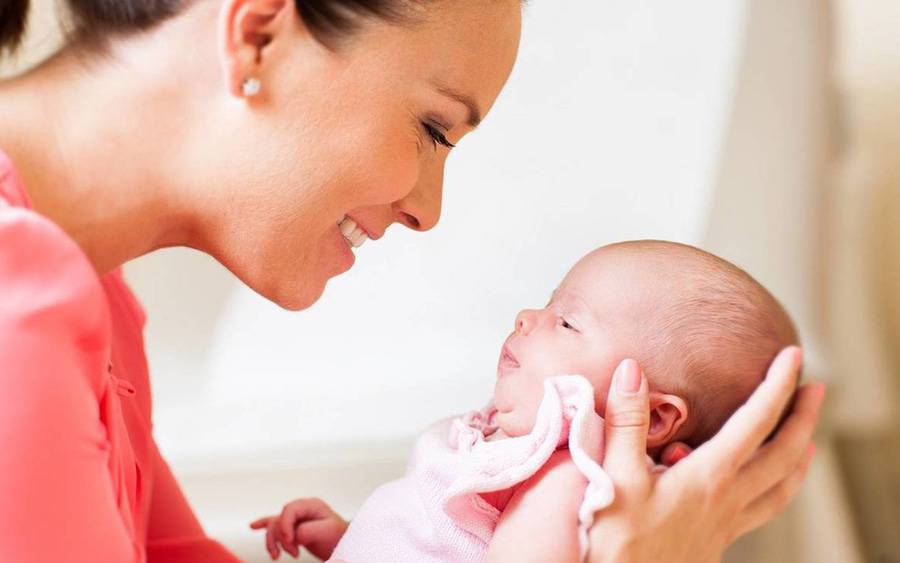
Nurse home visiting is currently being conducted by a variety of providers including visiting nurse associations, independent home care agencies, and hospital based home care agencies. According to the CDC, most women take at least one medication during pregnancy.12 The majority of medications have not been specifically studied for use in pregnancy. Talk to your health care provider about over-the-counter and prescription medications and herbal and vitamin supplements.
LinkOut - more resources
During the antenatal period, women in the intervention group had one half of their prenatal care delivered by APNs in each woman’s home. For example, if the woman was to be seen routinely by the physician every other week, every other prenatal care visit was done by the APN in the woman’s home. Additionally, throughout the study, women in the intervention group could call the APNs from daily from 8 a.m. To noon on Saturday and Sunday to have their questions answered and concerns addressed. During home visits the APNs assessed maternal physical status including vital signs, fetal heart rate, and uterine and fetal activity using electronic monitoring.
Watch our video to see why it’s essential to keep up with doctor appointments before and after your baby is born, even during COVID-19. Others may become new moms by being a foster parent or through adoption. If your path to becoming a mom includes pregnancy, you might be wondering what surprises await you and how best to prepare for what’s ahead before your baby arrives. In addition to home-based and virtual services, we also have in-person clinics and offer assistance with local resources. We're here to support you through pregnancy, birth, and postpartum.
If you’re pregnant or planning to get pregnant:
If found eligible during your pregnancy, you’ll be covered for 60 days after you give birth. Your state Medicaid or CHIP agency will notify you if your coverage is ending. You can enroll in a Marketplace plan during this time to avoid a break in coverage. If you don’t qualify for a Special Enrollment Period right now, you’ll be eligible to apply within 60 days of your child’s birth.
In a recent study (Brooten, Knapp, Borucki, Jacobsen, Finkler, Arnold, & Mennuti, 1996) the mean advanced practice nurse inhospital time spent in discharge planning with women who delivered via an unplanned cesarean was 121 minutes. This was almost identical to the 124 minute mean reported by Naylor in a study of comprehensive discharge planning of elderly patients conducted by APNs. In work reporting on APN follow-up of low socioeconomic mothers of term infants, Norr, Nacion, & Abramson reported a mean of 1.6 hours of inhospital APN time consumed in this program. This study examined the time spent by advanced practice nurses in providing prenatal care to women with high risk pregnancies. The results indicate that the overall mean APN time spent in providing prenatal care was 51.3 hours per woman. The greatest amount of time was spent in the clinic and women with pregestational diabetes consumed the most APN time and required the most contacts.
Home Care of High Risk Pregnant Women by Advanced Practice Nurses: Nurse Time Consumed
There is currently insufficient evidence of the type, number, and length of contacts needed with various patient groups without constraints of the current reimbursement system. The current focus in home care on number of visits encourages home visits over telephone contacts when they may not be needed. More research is needed on the optimum balance between visits and telephone contacts in specific patient groups. This study provides information on the number, type, and timing of contacts for women with high risk pregnancies provided in a system free of reimbursement constraints. Our findings on the number of hours of nursing care differ somewhat from Payne et al. . Payne’s group required 13 hours—our group required a mean of 9.1 hours.

Thus, differences between group populations most likely resulted in differing care needs and time differences. In order to control for the irregularity of antenatal time enrolled in the study across diagnostic groups, total mean APN time spent in direct and indirect care was divided by days between subject enrollment and delivery. Women with gestational diabetes required the greatest amount of APN time per enrolled day while women with diagnosed preterm labor required the least.
For more information on receiving text messages from the OB Homecare program, pleaseclick here. You must have an Allina Health account to make an appointment with this provider. Experts recommend that breast-feeding mothers eat when they feel hungry. Make a special effort to focus on eating when you are actually hungry — not just busy or tired.
Study results may not be generalizable to other groups of women, such as those of higher socioeconomic status or rural women with high risk pregnancy. Further study is needed to determine if other groups of women may consume similar levels of nurse time. The data available in large regional, state, and national datasets aggregate clients into large diagnostic groupings. Within these groupings is a diversity of patients with varying needs for home care services. Another limitation is that these databases are based on reimbursable services and do not reflect the actual needs of many patients for fewer or more services. Nurse home visiting has been identified as one strategy to conduct such monitoring and maintain women with high risk pregnancies at home.
Your doctor may also offer special classes at different stages of your pregnancy.


No comments:
Post a Comment